Oils & fluids · 1 min read
0W-20, 5W-30, C3, C5: choose engine oil by spec, not by viscosity
Parts desk, The Road Sailors ·
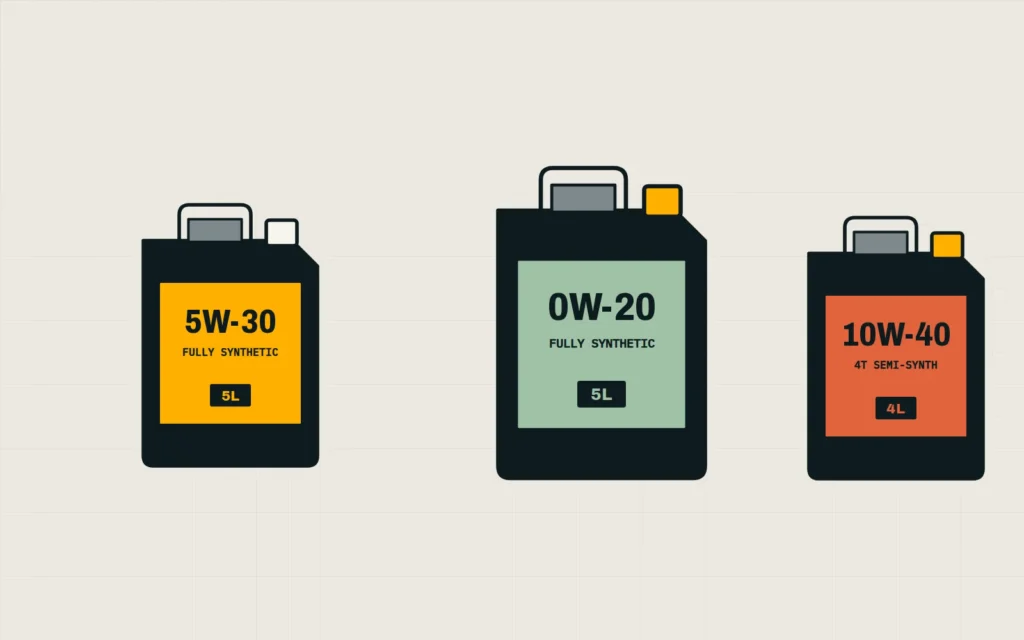
“It takes 5W-30” is the most common thing we hear on the phone — and it is only half the answer. Viscosity tells you how thick the oil is. The specification tells you what it is made to do.
Reading viscosity
In 5W-30, the first number (with the W, for winter) is how easily the oil flows cold; lower is thinner. The second number is how thick it stays at operating temperature. Modern engines with tight tolerances are designed around thin oils — using something thicker can slow oil getting to the turbo and variable valve timing at start-up.
Reading the specification
The spec is the part that matters for warranty and for protecting emissions equipment. In Europe you will see ACEA grades and manufacturer approvals:
| Spec | What it means |
|---|---|
| ACEA C3 | Mid-SAPS (low ash) for engines with diesel particulate filters and catalysts. Common on VW, BMW and Mercedes. |
| ACEA C5 | Low-viscosity fuel-economy oil, typically 0W-20, for engines designed for it. |
| Manufacturer approvals | For example VW 504 00 / 507 00 or BMW LL-04. If the handbook names one, the oil must list it. |
| JASO MA / MA2 | Motorcycle oils safe for wet clutches. Car oils can make a bike’s clutch slip. |
Our advice
- Start with the handbook or service schedule, not the viscosity on the old bottle.
- Match the manufacturer approval first, then the ACEA grade, then viscosity.
- Do not “upgrade” a 0W-20 engine to 5W-30 thinking thicker is better, or the other way round.
- Always change the filter with the oil.
Not sure? Call the parts desk with the reg and we will tell you exactly which oil and how many litres.
Parts mentioned
Shop the parts from this note
-
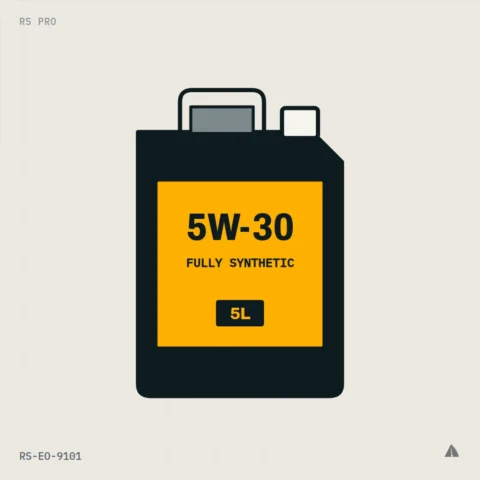
RS-EO-9101 · RS Pro
5W-30 Fully Synthetic Engine Oil, 5 L (ACEA C3)
ACEA C3 · 5W-30
In stock£23.40 ex VAT£28.08 inc VATAdd -
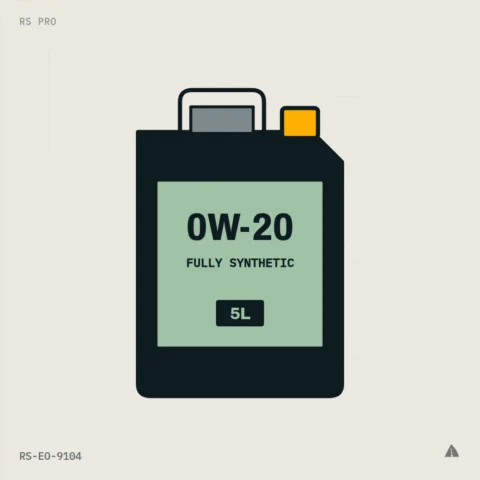
RS-EO-9104 · RS Pro
0W-20 Fully Synthetic Engine Oil, 5 L (ACEA C5)
ACEA C5 · 0W-20
In stock£27.90 ex VAT£33.48 inc VATAdd -
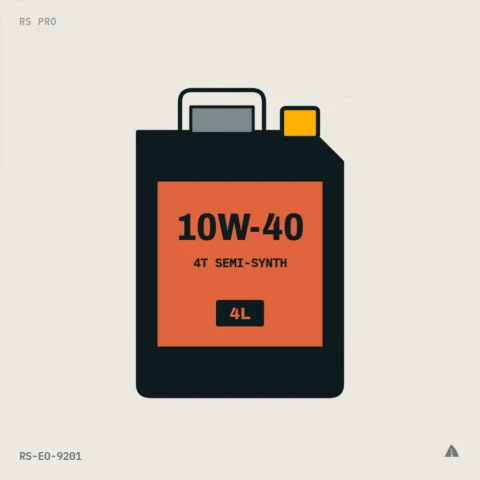
RS-EO-9201 · RS Pro
10W-40 4T Semi-Synthetic Motorcycle Oil, 4 L (JASO MA2)
JASO MA2 · 10W-40
In stock£21.80 ex VAT£26.16 inc VATAdd -
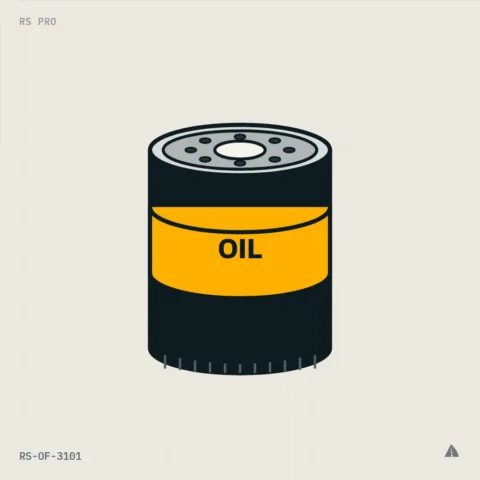
RS-OF-3101 · RS Pro
Oil Filter, Spin-On — Ford 1.0 EcoBoost
Fits Ford Fiesta Mk7, Ford Focus Mk3
In stock£4.35 ex VAT£5.22 inc VATAdd